Insignia Portable Washing Machine Manual: A Comprehensive Guide
This manual provides essential guidance for Insignia portable washing machine owners‚ offering detailed instructions and troubleshooting tips. Access service manuals‚ including PDF downloads‚ for optimal use.
Welcome to the convenience of the Insignia portable washing machine! This appliance offers a flexible laundry solution‚ ideal for apartments‚ dorms‚ or anyone needing a compact washing option. Before first use‚ carefully review this manual to ensure proper installation‚ operation‚ and maintenance. Understanding your machine’s features and adhering to safety precautions will maximize its lifespan and performance.
Insignia machines‚ often manufactured by Midea‚ provide reliable washing power in a smaller footprint. This guide will walk you through everything from unpacking and setup to troubleshooting common issues. Remember to consult the provided service manuals or contact support if your specific model isn’t covered directly‚ ensuring a smooth laundry experience.
Understanding Your Model Number & Where to Find It
Your Insignia portable washing machine’s model number is crucial for accessing specific support‚ parts‚ and documentation. This number uniquely identifies your appliance‚ allowing for accurate troubleshooting and service. Typically‚ the model number is located on a sticker or plate affixed to the machine.
Check the following locations: inside the lid‚ on the back panel‚ or near the water inlet hoses. It’s often a combination of letters and numbers. Having this information readily available when contacting customer support or ordering replacement parts will significantly expedite the process. If you’re unable to locate it‚ consult Appliantology.org’s forums for assistance or contact Insignia directly.
Safety Precautions & Important Warnings
Prioritize safety when installing and operating your Insignia portable washing machine. Always read all instructions carefully before use. To prevent electrical shock‚ ensure the appliance is properly grounded and never operate it with a damaged cord or plug. Disconnect the power supply before cleaning or performing maintenance.
Never allow children to play with or around the washing machine. Turn off the water faucets and unplug the machine if it will be left unattended for an extended period. Avoid overloading the washer‚ as this can cause damage or injury. Follow all warnings outlined in the manual to ensure safe and efficient operation‚ preventing potential hazards.

Installation & Setup
Proper installation is crucial for optimal performance. This section details unpacking‚ connecting water supplies‚ draining procedures‚ and essential electrical grounding requirements.
Unpacking and Initial Inspection
Carefully unpack your new Insignia portable washing machine‚ ensuring all packaging materials are removed from both inside and outside the unit. Inspect the machine thoroughly for any visible signs of damage that may have occurred during shipping. This includes dents‚ scratches‚ or broken parts.
Verify that all included accessories are present‚ such as the water inlet hoses‚ drain hose‚ and any provided adapters. Retain the original packaging for potential future transport or warranty claims. If any damage is detected‚ immediately contact the retailer or Insignia customer support. Do not attempt to operate a damaged machine; it could pose a safety hazard. A visual inspection now can prevent larger issues later.
Connecting Water Supply Hoses
Before connecting the water supply hoses‚ ensure the water faucets are completely turned off. Identify the hot and cold water inlets on the back of the washing machine – they are typically color-coded. Attach the corresponding inlet hoses to the appropriate faucets‚ hand-tightening initially.
Once hand-tight‚ use pliers to gently tighten the connections another half-turn‚ avoiding over-tightening which could damage the fittings. Check for leaks at both the faucet and machine connections. Slowly turn on the water faucets and re-inspect for any leaks. If leaks persist‚ tighten the connections further or replace the hose washers. Proper connection is crucial for efficient operation.
Draining the Washing Machine
Proper draining is essential for preventing damage and ensuring optimal performance. Locate the drain hose‚ typically positioned at the rear of the machine. Ensure the hose is securely connected to a suitable drain – a standpipe‚ laundry tub‚ or sink – and positioned at the correct height as specified in the manual.
Avoid kinking or obstructing the drain hose‚ as this can cause water to back up. During operation‚ the washing machine automatically pumps out the water after each cycle. For manual draining‚ a separate drain pump may be included. Regularly inspect the drain hose for cracks or leaks‚ replacing it if necessary.
Electrical Requirements & Grounding
Safe operation hinges on adhering to specific electrical guidelines. Insignia portable washing machines typically require a standard 120V‚ 60Hz household electrical outlet. Never use extension cords or adapters‚ as they can pose a fire hazard. The appliance must be properly grounded to prevent electric shock.
Inspect the power cord regularly for damage. If the cord is damaged‚ it must be replaced by a qualified technician. Ensure the outlet is not overloaded with other appliances. Always unplug the washing machine before cleaning or performing maintenance. Refer to the model’s specifications for precise amperage requirements and grounding instructions.
Operating Instructions
Effectively utilize your Insignia washing machine by understanding the control panel‚ cycle selections‚ and proper detergent usage for optimal cleaning performance.
Control Panel Overview & Functions
The Insignia portable washing machine’s control panel is designed for intuitive operation. Key functions include the power button‚ cycle selection dial‚ and start/pause button. The cycle selection dial allows you to choose from various wash cycles – delicate‚ normal‚ heavy‚ quick wash‚ and spin only – catering to different fabric types and soil levels.
Additional buttons may control features like water temperature (hot‚ warm‚ cold) and spin speed. Indicator lights clearly display the selected cycle‚ wash stage‚ and any error codes. Familiarize yourself with each button and light to efficiently operate your machine. Refer to the full manual for detailed explanations of each function and its specific settings‚ ensuring optimal washing results and preventing potential issues.
Washing Machine Cycle Selection
Selecting the appropriate wash cycle is crucial for effective cleaning and garment care. The Insignia portable washing machine offers several pre-programmed cycles. The ‘Delicate’ cycle is ideal for lingerie‚ silk‚ and other fragile items‚ using a gentle wash action. ‘Normal’ is suitable for everyday cottons and synthetics. For heavily soiled items like towels and jeans‚ choose the ‘Heavy’ cycle.
The ‘Quick Wash’ cycle provides a faster‚ shorter wash for lightly soiled clothes. ‘Spin Only’ is useful for extracting excess water after hand washing. Always check garment care labels before selecting a cycle. Incorrect cycle selection can lead to damage or ineffective cleaning. Consult the manual for specific load size recommendations for each cycle.
Adding Detergent & Fabric Softener
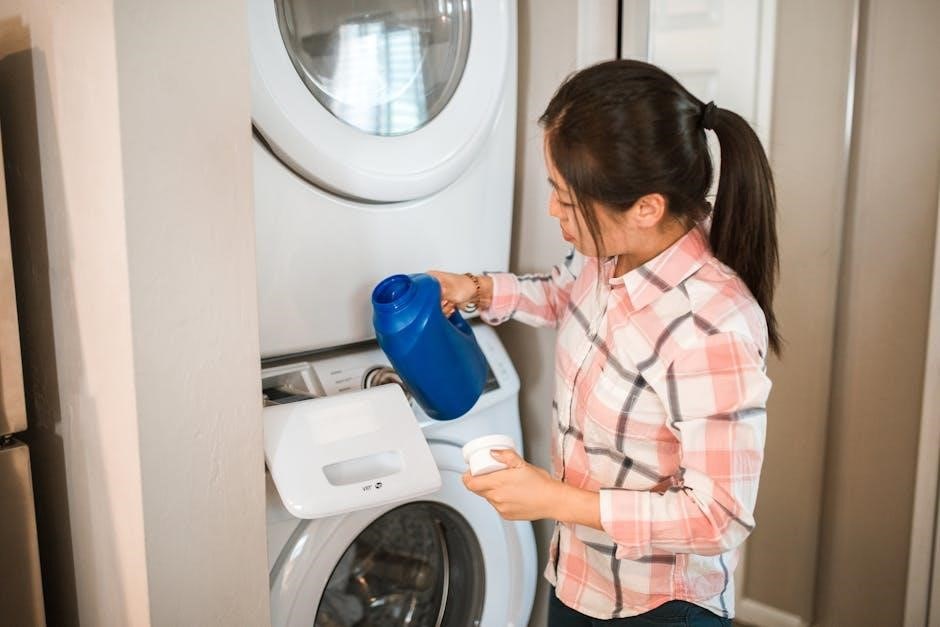
Proper detergent and fabric softener usage ensures optimal cleaning and fabric care. Always use High Efficiency (HE) detergent specifically formulated for portable washing machines‚ as standard detergents can create excessive suds; Pour the recommended amount of HE detergent into the designated dispenser drawer – avoid overfilling.
For fabric softener‚ use only liquid fabric softener and add it to the fabric softener dispenser. Do not pour fabric softener directly into the wash drum. Refer to the detergent and fabric softener packaging for dosage guidelines based on load size. Overuse can leave residue on clothes. Ensure dispensers are regularly cleaned to prevent clogs.
Starting and Pausing a Wash Cycle
Initiating a wash cycle is straightforward: after selecting your desired cycle and ensuring the water supply is connected and the drain hose is properly positioned‚ press the “Start/Pause” button. The machine will automatically fill with water and begin the wash process.
To pause the cycle mid-wash‚ simply press the “Start/Pause” button again. This allows you to add or remove items if needed. Pressing the button again will resume the cycle from where it left off. Remember to avoid interrupting cycles unnecessarily‚ as this may affect cleaning performance. Always unplug the machine before performing any maintenance.
Maintenance & Troubleshooting
Regular cleaning and addressing issues are vital for longevity. Filter cleaning‚ error code interpretation‚ and winterizing procedures ensure optimal performance and prevent damage.
Cleaning the Washing Machine
Maintaining a clean washing machine is crucial for preventing odors and ensuring optimal performance. After each use‚ wipe down the exterior with a damp cloth. Regularly clean the detergent dispenser to remove residue buildup‚ preventing clogs and ensuring proper dispensing.
Periodically run an empty wash cycle with a washing machine cleaner or a cup of white vinegar to eliminate lingering dirt and mildew. Pay close attention to the rubber door seal‚ cleaning it thoroughly to prevent mold growth. Inspect the interior drum for any foreign objects and remove them promptly.
A clean machine contributes to cleaner laundry and extends the appliance’s lifespan‚ avoiding costly repairs down the line. Remember to always unplug the machine before any internal cleaning procedures.
Filter Cleaning & Replacement
The washing machine’s filter requires regular attention to prevent clogs and maintain efficient drainage. Locate the filter access panel‚ typically at the front bottom of the machine. Before opening‚ place a towel underneath to catch any residual water. Carefully unscrew and remove the filter cap.
Inspect the filter for lint‚ hair‚ coins‚ or other debris. Thoroughly clean the filter under running water‚ removing all obstructions. Check the filter housing for any trapped items as well. Reinstall the cleaned filter‚ ensuring it’s securely tightened to prevent leaks.
Replace the filter if it’s damaged or worn. Consult your model’s specific instructions for the correct filter replacement part. Regular filter maintenance ensures proper water flow and prevents potential damage.
Troubleshooting Common Issues (Error Codes)
Encountering an error code? This section helps diagnose and resolve frequent problems. A common issue is an “E1” code‚ indicating a water supply problem – check hose connections and water source. “E2” often signals a drainage issue; inspect the drain hose for kinks or blockages and clean the filter.
If you see an “UE” error‚ it usually means an unbalanced load. Redistribute the clothes evenly inside the drum and restart the cycle. For other codes‚ consult the full service manual‚ often available as a PDF download.
Always unplug the machine before attempting any repairs. If problems persist‚ contact a qualified appliance technician for assistance. Ignoring error codes can lead to further damage.
Winterizing Your Portable Washing Machine
Preparing for freezing temperatures is crucial to prevent damage. First‚ disconnect both the water inlet and drain hoses. Completely drain all water from the washing machine‚ including inside the drum and pump. Use a wet/dry vacuum to remove any remaining water from hard-to-reach areas.
If storing the machine in an unheated space‚ consider adding a RV antifreeze solution (specifically designed for washing machines) to the drain pump. This prevents freezing and cracking.
Store hoses separately in a warm location. Refer to the full manual for detailed instructions and ensure proper preparation before the first freeze.

Advanced Features & Settings
Explore enhanced functionalities like delay start‚ adjustable spin speeds‚ and the child lock feature for customized and safe operation of your Insignia washer.
Delay Start Function
The Delay Start function allows you to conveniently schedule wash cycles to begin at a later time‚ optimizing your laundry routine. This feature is particularly useful for taking advantage of off-peak energy rates or ensuring laundry is fresh when you need it. To utilize this setting‚ simply press the “Delay Start” button on the control panel.
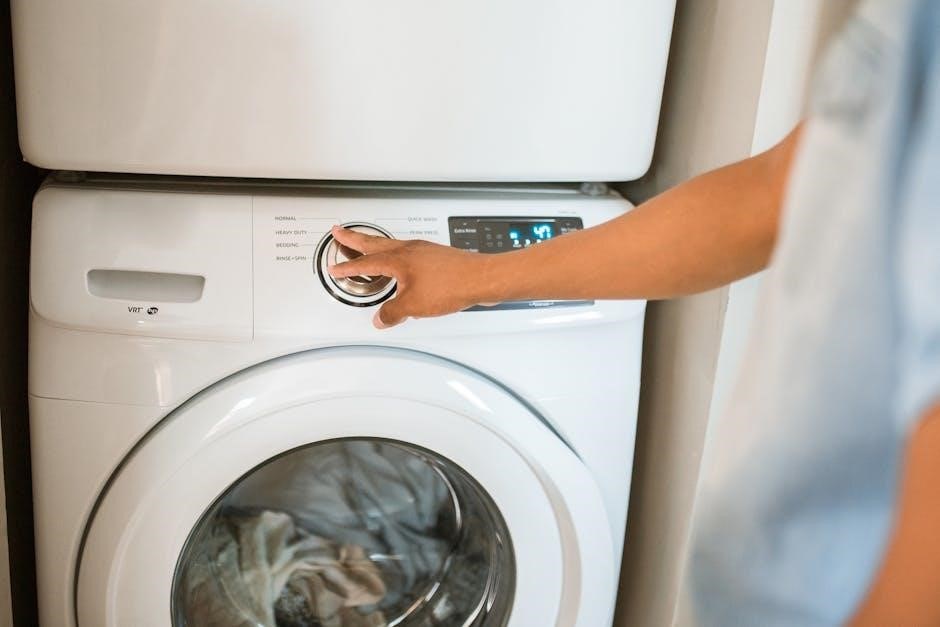
You can then use the hour buttons to set the desired delay time‚ typically in increments of one or more hours‚ up to a maximum of 24 hours. Once the delay time is set‚ press the “Start/Pause” button to activate the function. The washing machine will automatically begin the selected wash cycle at the programmed time. Remember to ensure the water supply and drain hose are properly connected before setting a delay start.
Spin Speed Adjustment
Adjusting the spin speed is crucial for handling different fabric types effectively. Higher spin speeds extract more water‚ reducing drying time‚ but can cause more wrinkles in delicate items. Lower spin speeds are gentler on fabrics‚ minimizing wrinkles‚ but leave clothes wetter. Your Insignia portable washing machine offers multiple spin speed options‚ typically ranging from No Spin to High.
To adjust the spin speed‚ locate the “Spin Speed” button on the control panel. Pressing this button repeatedly cycles through the available options. The selected spin speed will be displayed on the control panel. For delicate fabrics like lingerie or silk‚ choose the “Low” or “No Spin” setting. For heavier items like towels or jeans‚ select “High” for maximum water extraction. Always consult the garment care label before selecting a spin speed.
Child Lock Feature
The Child Lock feature enhances safety by preventing unintended operation of the washing machine‚ particularly important in households with young children. When activated‚ the control panel buttons become unresponsive‚ disabling cycle changes or accidental starts. To activate the Child Lock‚ typically a combination of buttons – often “Spin Speed” and “Delay Start” held simultaneously for a few seconds – is required.
A visual indicator‚ such as a padlock icon illuminating on the control panel‚ confirms activation. To deactivate‚ repeat the button combination. This feature is invaluable for preventing curious hands from altering settings or interrupting a wash cycle. Always ensure the Child Lock is deactivated when you intend to use the machine. Refer to your specific model’s instructions for precise activation/deactivation steps.

Technical Specifications
Detailed specifications‚ including dimensions‚ weight‚ water and power consumption‚ are crucial for installation and understanding your Insignia portable washing machine’s performance.
Dimensions & Weight
Understanding the physical characteristics of your Insignia portable washing machine is vital for ensuring proper placement and maneuverability within your living space. Precise dimensions allow for accurate assessment of available room‚ preventing installation difficulties.
Typically‚ these machines are designed with compactness in mind‚ catering to smaller apartments or areas with limited laundry facilities. While specific measurements vary by model‚ expect a height ranging from approximately 30 to 36 inches‚ a width of around 18 to 20 inches‚ and a depth of roughly 18 to 22 inches.
Weight is another critical factor‚ especially if you anticipate frequent relocation or storage. Most Insignia portable washers weigh between 40 and 60 pounds‚ making them relatively manageable for one or two people to move. Always consult your specific model’s documentation for the most accurate dimensions and weight information.
Water Consumption
Efficient water usage is a key consideration when operating your Insignia portable washing machine‚ impacting both your utility bills and environmental footprint. These machines are generally designed to minimize water consumption compared to traditional full-size washers‚ making them an eco-friendly choice.
Typical water consumption per load ranges from approximately 8 to 14 gallons‚ depending on the selected wash cycle and load size. Smaller load sizes naturally require less water. Utilizing appropriate water levels for each wash is crucial for optimizing efficiency.
Always refer to your specific model’s manual for precise water consumption figures. Understanding these values allows you to make informed decisions about load sizes and cycle selections‚ contributing to responsible water management within your household.
Power Consumption
Understanding the power requirements of your Insignia portable washing machine is vital for safe and efficient operation. These units are designed for standard household electrical outlets‚ typically requiring 110-120 volts and 60Hz. However‚ actual power consumption varies based on the wash cycle selected and the machine’s overall usage.
Average power consumption per wash cycle generally falls between 150 to 500 watts. Cycles involving heated water will naturally draw more power. To minimize energy usage‚ consider washing full loads whenever possible and utilizing cold water settings when appropriate.
Consult your specific model’s manual for detailed power consumption specifications. Responsible energy use not only lowers your electricity bill but also contributes to a more sustainable lifestyle.